

Sustainability · 2025
In this section55 topics
- Sustainability Policy & Goals — Overview1 item
- Sustainability Policy3 items
- Sustainability Goals & UN SDGs3 items
- Policy Review3 items
- Business Value Chain1 item
- Stakeholder Analysis2 items
- Environmental Sustainability — Overview1 item
- Environmental Policy & Guidelines5 items
- Environmental Policy Review3 items
- Energy — Plan & Guidelines2 items
- Energy — Electricity Consumption1 item
- Energy — Fuel Consumption1 item
- Energy — Targets3 items
- Energy — Performance & Outcomes2 items
- Water — Plan & Guidelines2 items
- Water — Withdrawal, Discharge & Consumption1 item
- Water — Targets2 items
- Water — Performance & Outcomes2 items
- Waste — Plan & Guidelines2 items
- Waste — Generation, Disposal & Recycling1 item
- Waste — Targets2 items
- Waste — Performance & Outcomes2 items
- GHG — Plan & Guidelines3 items
- GHG — Emissions1 item
- GHG — Emissions Verification3 items
- GHG — Principles & Standards1 item
- GHG — Targets1 item
- GHG Targets — Net Zero1 item
- GHG Targets — Carbon Neutrality1 item
- GHG Targets — Other Targets1 item
- GHG — Performance & Outcomes2 items
- Environmental Legal Incidents1 item
- Social Policy & Guidelines4 items
- Social Policy Review3 items
- Social — Principles & Standards Practised1 item
- Human Rights Due Diligence3 items
- Employees — Plan & Guidelines3 items
- Employees — Workforce1 item
- Employees — Remuneration & Provident Fund1 item
- Employees — Training & Development1 item
- Employees — Occupational Health & Safety1 item
- Employees — Labour Relations1 item
- Employees — Employee Representation2 items
- Employees — Targets2 items
- Employees — Performance & Outcomes2 items
- Customers — Plan & Guidelines3 items
- Customers — Satisfaction Results1 item
- Customers — Targets2 items
- Customers — Performance & Outcomes2 items
- Community & Social — Overview1 item
- Community & Social — Plan & Guidelines4 items
- Community & Social — Targets2 items
- Community & Social — Performance & Outcomes2 items
- Law Violation Incidents1 item
- Law Violations — Case Detail & Corrective Measures1 item
Sustainability Policy & Goals — Overview
Introduction
Driving Sustainable Business
"Because sustainability is not an option, but a necessity for business survival."
The company is committed to conducting its business with environmental and social responsibility throughout the entire business chain. This is achieved through transparent operations that emphasize participation and continuous business development to deliver the highest quality products and services. Additionally, the company consistently prepares an annual sustainability performance report in accordance with the guidelines of the Stock Exchange of Thailand, aligned with the United Nations Sustainable Development Goals (SDGs). Information is disclosed through the company's website and internal communication channels.
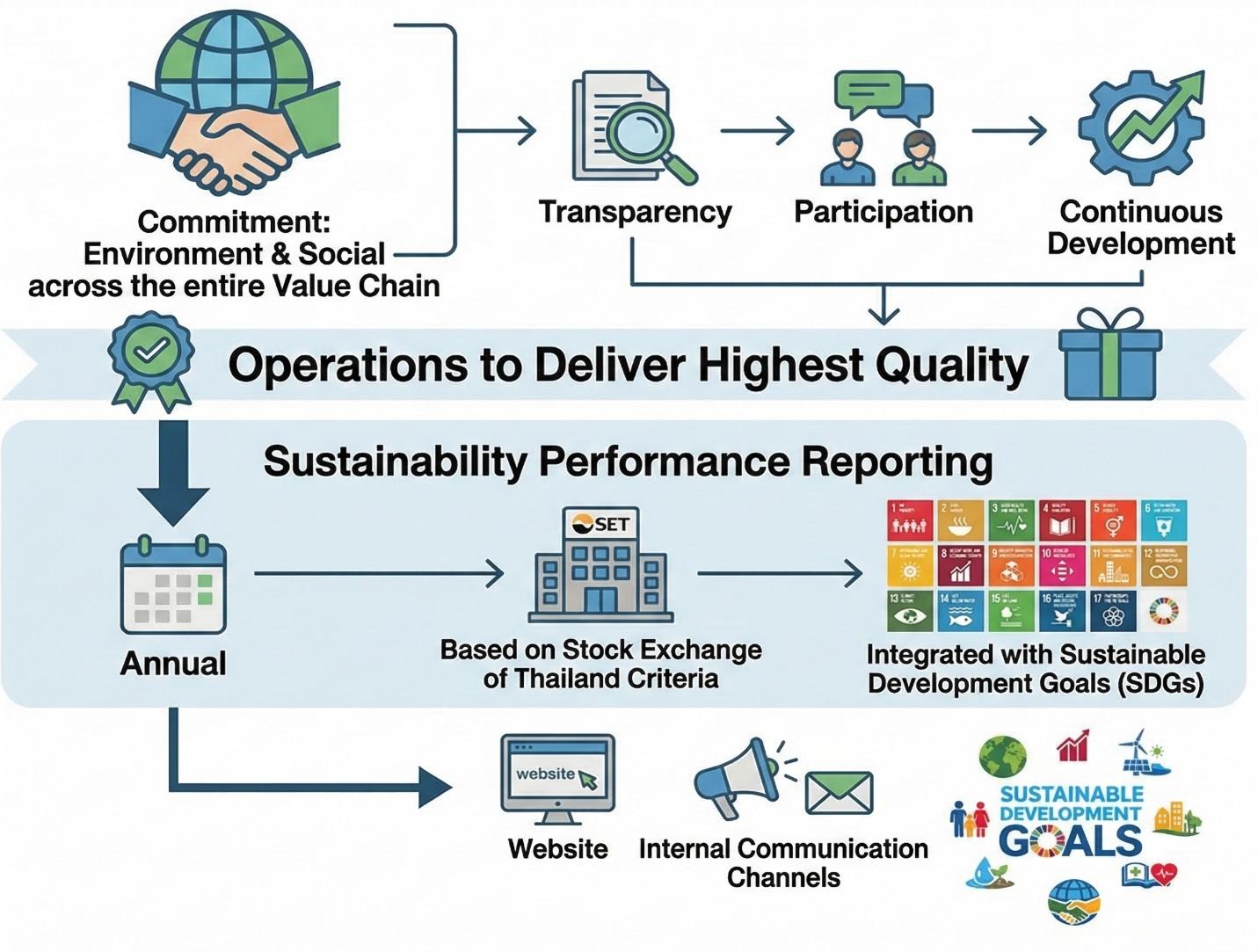
Scope of Reporting
The company has prepared and reported on the performance of the T.K.S. Group (T.K.S. Technology Public Company Limited and Siam Press Co., Ltd.) for the year 2025, covering the period from January 1, 2025, to December 31, 2025. This report pertains to the management and implementation of sustainability practices.
Sustainability Policy
Has a Sustainability Policy
Yes
Policy Description
The company recognizes and prioritizes sustainable business operations in alignment with its corporate vision. It upholds principles of good governance while integrating social, economic, and environmental responsibilities (ESG) to build trust among stakeholders through transparent and auditable processes. These efforts align with the company’s strategic direction, considering organizational risks, opportunities for improvement, and the needs and expectations of all stakeholders. The company was selected as the first Eco Factory in Samut Sakhon Province by the Industrial Environment Institute of the Federation of Thai Industries on September 21, 2016, and has maintained this recognition to the present day. The company also has plans to continue advancing eco-friendly production processes and innovations while ensuring responsible environmental management, both internally and externally. To achieve its core objectives and drive sustainable development, the company has established a Sustainability Management Policy and actively communicates it both internally and externally. The company has set operational guidelines as follows:
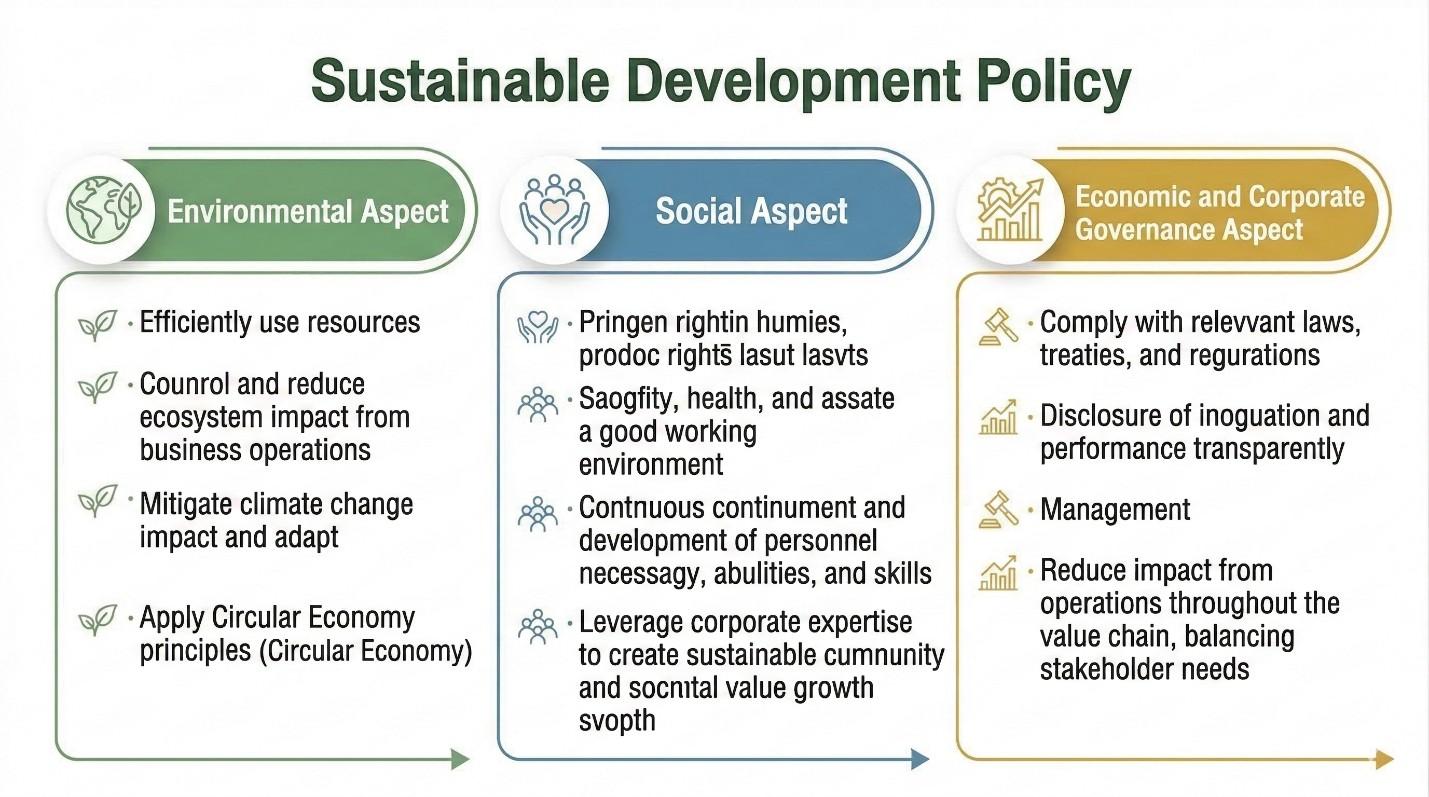
Policy Document Link
https://www.tks.co.th/wp-content/uploads/2026/02/19_%E0%B8%99%E0%B9%82%E0%B8%A2%E0%B8%9A%E0%B8%B2%E0%B8%A2%E0%B8%81%E0%B8%B2%E0%B8%A3%E0%B8%9A%E0%B8%A3%E0%B8%B4%E0%B8%AB%E0%B8%B2%E0%B8%A3%E0%B8%88%E0%B8%B1%E0%B8%94%E0%B8%81%E0%B8%B2%E0%B8%A3%E0%B8%84%E0%B8%A7%E0%B8%B2%E0%B8%A1%E0%B8%A2%E0%B8%B1%E0%B9%88%E0%B8%87%E0%B8%A2%E0%B8%B7%E0%B8%99-%E0%B8%89%E0%B8%9A%E0%B8%B1%E0%B8%9A%E0%B8%97%E0%B8%B3%E0%B8%82%E0%B8%B6%E0%B9%89%E0%B8%99%E0%B9%83%E0%B8%AB%E0%B8%A1%E0%B9%88_24022026.pdf
Sustainability Goals & UN SDGs
Has Sustainability Goals
Yes
Goals Description
Long-term goals include achieving a Net Zero environment by 2050, and targets are set in various areas such as reducing energy consumption, increasing the efficiency of clean energy use, reducing water usage, reducing waste generation, distributing income to communities, creating green spaces, and preserving biodiversity, among others.
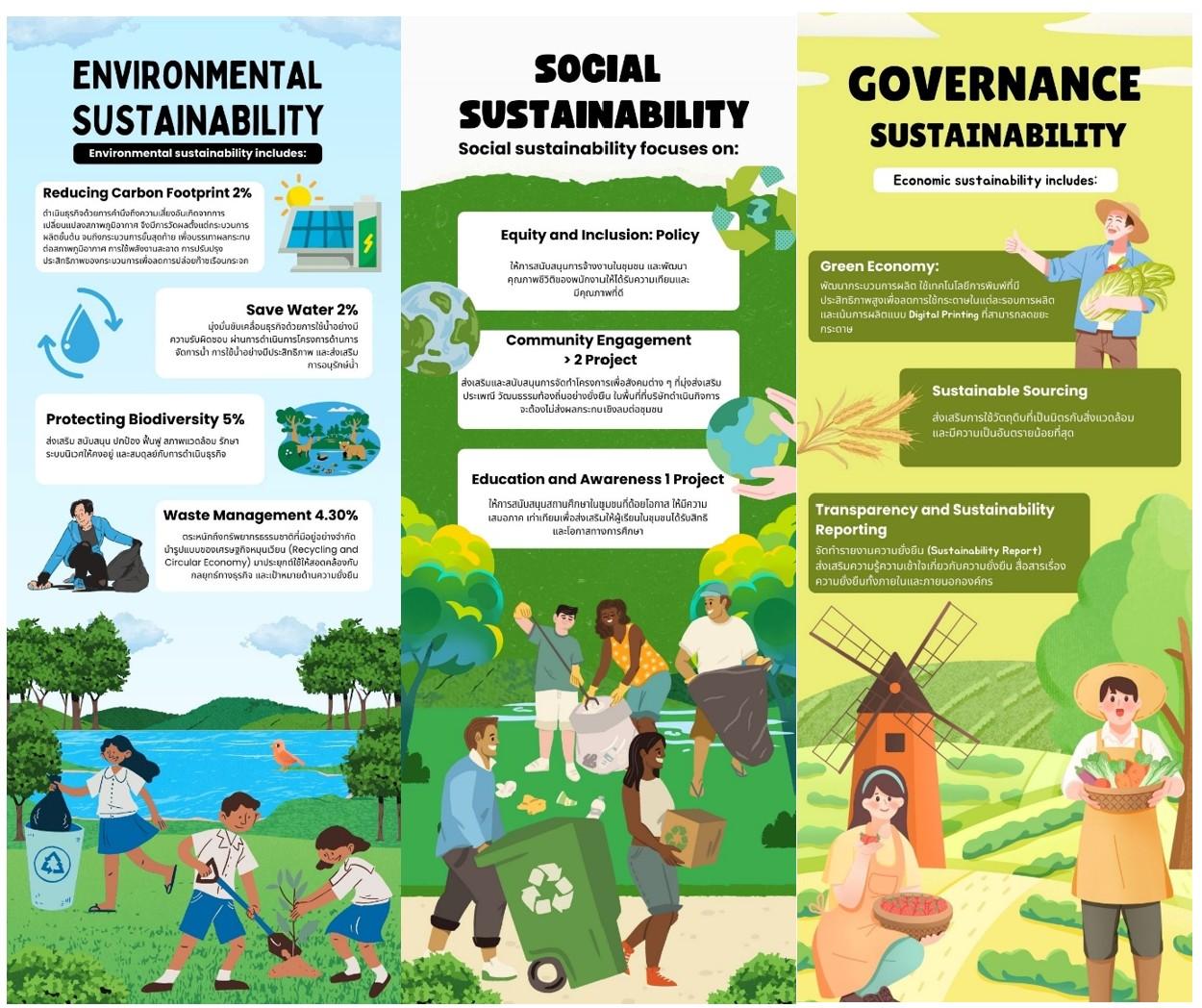
UN Sustainable Development Goals
| SDG Goal |
|---|
| Goal 3 Good Health and Well-being |
| Goal 3 Good Health and Well-being |
| Goal 4 Quality Education |
| Goal 4 Quality Education |
| Goal 5 Gender Equality |
| Goal 5 Gender Equality |
| Goal 6 Clean Water and Sanitation |
| Goal 6 Clean Water and Sanitation |
| Goal 7 Affordable and Clean Energy |
| Goal 7 Affordable and Clean Energy |
| Goal 8 Decent Work and Economic Growth |
| Goal 8 Decent Work and Economic Growth |
| Goal 9 Industry, Innovation and Infrastructure |
| Goal 9 Industry, Innovation and Infrastructure |
| Goal 10 Reduce Inequalities |
| Goal 10 Reduce Inequalities |
| Goal 11 Sustainable Cities and Communities |
| Goal 11 Sustainable Cities and Communities |
| Goal 12 Responsible Consumption and Production |
| Goal 12 Responsible Consumption and Production |
| Goal 13 Climate Action |
| Goal 13 Climate Action |
| Goal 17 Partnerships for the Goals |
Policy Review
Policy Reviewed This Year
Yes
Policy Changed This Year
Yes
Review Details
The sustainability policy is presented to the Corporate Governance and Sustainability Committee for review at least once a year. In 2025, it was presented at the Corporate Governance and Sustainability Committee meeting No. 4/2025 on November 4, 2025, and approved at the Board of Directors meeting No. 1/2026 on February 24, 2026. In terms of ESG operations, the company is committed to achieving its set goals. In 2025, performance was monitored and reported to the Corporate Governance Committee on a quarterly basis. Furthermore, the goal of achieving a Net Zero waste management model was revised from 2065 to 2050. The target for reducing waste from production processes was also expanded to increase efficiency in a circular economy context, adjusting the recycling target from 1 ton per month to 5 tons per month.
Business Value Chain
Value Chain Description
The company is aware of and prioritizes the sustainable management of its business value chain to meet the expectations of all its stakeholders. This commitment extends to every stage of the value chain, from design, procurement, production, sales and delivery, to utilization and recycling, by maximizing the use of energy and resources, reducing raw material consumption, minimizing waste generation, and promoting reuse and recycling. In its production processes, the company is dedicated to helping reduce greenhouse gas emissions, decrease energy consumption, and minimize waste generation, as well as caring for communities surrounding the factory and all stakeholder groups by continuously and sustainably organizing social activities and projects.
Stakeholder Analysis
Introduction
The company manages its supply chain using data from engagement with stakeholders across all sectors, derived from annual satisfaction surveys, feedback collection, meetings, or other engagement channels, to understand impacts and issues related to the company, and to establish indicators and continuously monitor performance for effective management.
Stakeholder Prioritization is crucial for effective organizational management and CSR/ESG implementation. Therefore, "Scoring Criteria" are defined as follows:
|
Criteria |
Score level |
Refers to the power or ability of stakeholders to impact business operations, decisions, or the success of the organization. |
|
|
Refers to the level of concern stakeholders have for the organization's activities, or the extent to which they are affected by the company's business operations. |
|
Criteria for determining the level of importance ( Prioritization Matrix)
Once scores for both aspects are obtained, multiply them (maximum score 9) or plot them on a Matrix to categorize as follows:
|
Total score (Influence x Interest) |
Level of importance |
Management approach |
|
7 - 9 points |
High level ( Priority 1) |
Manage Closely: Must report real-time progress and involve them in strategic planning. |
|
4 - 6 points |
Moderate level (Priority 2) |
Keep Satisfied / Informed: Must provide regular information and listen to feedback to prevent risks. |
|
1 - 3 points |
Low level ( Priority 3 |
Monitor: Monitor changes and communicate through general channels. |
Stakeholder Analysis
| Stakeholder Type | Stakeholders | Stakeholder Expectations | Response to Expectations | Communication Activities |
|---|---|---|---|---|
| Internal stakeholders | 2921 · Description: Employees | - Opportunities for learning and self-development - Opportunities for career advancement - Listening to employee feedback - Compensation, welfare, and benefits - Non-discrimination and listening to feedback - Positive working environment | - Provide opportunities and channels for employees to participate and express opinions.- Support a happy workplace environment.- Survey employee satisfaction with the organization.- Foster organizational culture and promote participation. | 2940 · Description: Social Event · 2941 · Description: Online Communication · 2942 · Description: Internal Meeting · 2945 · Description: Complaint Reception · 2946 · Description: Employee Engagement Survey · 2947 · Description: Satisfaction Survey · 2948 · Description: Training / Seminar |
| External stakeholders | 2913 · Description: Shareholders | - Provide opportunities for shareholders to express opinions - Disclose operational information transparently - Share price growth and dividend payments - ESG-related projects or activities | - Strictly pay dividends according to policy - Disclose operational information via the company website and submit data to the Stock Exchange - Listen to opinions and suggestions for improvement and development - Operate according to the Stock Exchange of Thailand's criteria, including CGR, CAC, SET ESG Ratings | 2938 · Description: Visit · 2939 · Description: Press Release · 2941 · Description: Online Communication · 2944 · Description: Annual General Meeting (AGM) · 2949 · Other name: Annual Report / Financial Report / Quarterly Financial Statements Report / Shareholder Newsletter / Website · Description: Others |
| External stakeholders | 2923 · Description: Customers | Provide high-quality services that meet requirements. Ensure timely, standardized, and safe delivery. Provide appropriate customer response. Collaborate with customers in product development. | Customer visits are conducted. Customer satisfaction surveys are conducted. Complaint channels are available. Responsibility for products and services is maintained. Collaborative product development with customers is pursued, fostering cooperation. | 2938 · Description: Visit · 2939 · Description: Press Release · 2941 · Description: Online Communication · 2943 · Description: External Meeting · 2947 · Description: Satisfaction Survey · 2948 · Description: Training / Seminar · 2949 · Other name: Direct communication, such as personal visits, meetings, training sessions, or public relations events · Description: Others |
| External stakeholders | 2902 · Description: Community | - Support and share with surrounding communities- Environmental conservation- Annual community satisfaction survey- Provide opportunities for communities to visit the factory | - Operate with consideration for community and environmental impacts. - Support community livelihoods. - Visit, meet, and participate in community activities. | 2938 · Description: Visit · 2939 · Description: Press Release · 2940 · Description: Social Event · 2941 · Description: Online Communication · 2943 · Description: External Meeting · 2945 · Description: Complaint Reception · 2947 · Description: Satisfaction Survey · 2948 · Description: Training / Seminar |
| External stakeholders | 2931 · Description: Government agencies and Regulators | - Full and accurate compliance with legal requirements. - Cooperation in providing opinions and suggestions on regulations and practices. | Practices and assessments are conducted to ensure compliance with relevant laws. Cooperation is extended to government agencies. | 2938 · Description: Visit · 2939 · Description: Press Release · 2940 · Description: Social Event · 2941 · Description: Online Communication · 2945 · Description: Complaint Reception · 2947 · Description: Satisfaction Survey · 2948 · Description: Training / Seminar |
| External stakeholders | 2898 · Description: Competitors | Knowledge-sharing seminar on business; Fostering good relationships and facilitating the exchange of views | Conduct business competitively with transparency and fairness. Heed feedback for continuous improvement. Cooperate to create opportunities and advance business operations for governmental consideration. | 2939 · Description: Press Release · 2941 · Description: Online Communication · 2943 · Description: External Meeting · 2945 · Description: Complaint Reception · 2947 · Description: Satisfaction Survey · 2948 · Description: Training / Seminar |
| External stakeholders | 2929 · Description: Media | Regularly disseminate business information. Provide opportunities for operational visits as appropriate. Support the organization of socially beneficial activities as appropriate. Listen to suggestions, feedback, or areas for improvement. | Communicate information through interviews or online; Promote engagement; Cooperate or provide support as appropriate | 2938 · Description: Visit · 2939 · Description: Press Release · 2940 · Description: Social Event · 2941 · Description: Online Communication · 2943 · Description: External Meeting · 2944 · Description: Annual General Meeting (AGM) · 2945 · Description: Complaint Reception · 2947 · Description: Satisfaction Survey · 2948 · Description: Training / Seminar |
| External stakeholders | 2894 · Description: Creditor | - Provide opportunities for feedback - Transparent disclosure of operational information - Stock price growth and dividend payments - ESG-related projects or activities | Strictly comply with debt repayment policies. Disclose operational information via the company website and submit data to the Stock Exchange. Listen to feedback and suggestions for improvement and development. Operate in accordance with the Stock Exchange of Thailand's criteria, including CGR, CAC, and SET ESG Ratings. | 2941 · Description: Online Communication · 2944 · Description: Annual General Meeting (AGM) · 2945 · Description: Complaint Reception · 2947 · Description: Satisfaction Survey · 2948 · Description: Training / Seminar |
Environmental Sustainability — Overview
Introduction
The world faces increasing environmental risks, including extreme weather events, biodiversity loss, and ecosystem degradation, impacting the security of natural resources and the long-term stability of the economy. The company is committed to conducting business on a foundation of sustainability, earning certification as an Eco Factory from the Industrial Environmental Institute of the Federation of Thai Industries. Furthermore, we have continuously maintained the Green Industry Standard Level 4 from the Ministry of Industry since 2015, reflecting our commitment to environmental protection and systematic organizational development.
Environmental Policy & Guidelines
Introduction
The company has established environmental policies and plans as part of its business operations. Committed to minimizing environmental impact, an Environmental Committee has been appointed to oversee operations related to energy, water, waste, pollution, and management to reduce greenhouse gas emissions. This ensures compliance with the environmental management system standards outlined in the company's policy framework (https://www.tks.co.th/sustainable/iso-document/). Following a review of the environmental policy this year, the company recognizes its continued effectiveness and has set targets for energy conservation and water reduction compared to the previous year, aiming to raise awareness and promote the most efficient use of resources.
Has an Environmental Policy
Yes
Policy Description
T.K.S. Group is a leading provider of innovative, integrated printing and electronic media services using sustainable, modern technology. We are committed to environmental responsibility, managing and improving efficiency throughout the supply chain to maximize resource utilization and benefits, in compliance with environmental regulations, international standards (ISO 14001), and sustainability development standards.
To ensure alignment with the company's environmental management system and its strategic goals, T.K.S. Group intends to pursue the following commitments:
Promoting knowledge and engagement among personnel in energy conservation, waste management, and the wise and efficient use of resources.
Protecting resources, minimizing environmental impact, and managing pollution and waste throughout all company operations on a continuous basis.
Developing environmentally friendly products and services and continuously improving our environmental management system.
Complying with all relevant environmental laws and regulations.
Communicating and publicizing environmental activities and performance to internal and external stakeholders.
Continuously monitoring and overseeing the company's operations to ensure efficiency and effectiveness. Striving towards a Net Zero and Zero Waste to Landfill organization.
Establish annual environmental management plans and targets, and communicate them to all employees for understanding and correct implementation.
Management and the working team will review and revise policies, targets, and operational plans annually.
It is considered that the operations of T.K.S. Technology Public Company Limited and the T.K.S. Group of Companies must be consistent with the environmental management system, and this is the shared responsibility of management and employees at all levels. Management is committed to providing sufficient resources to ensure the success of this policy.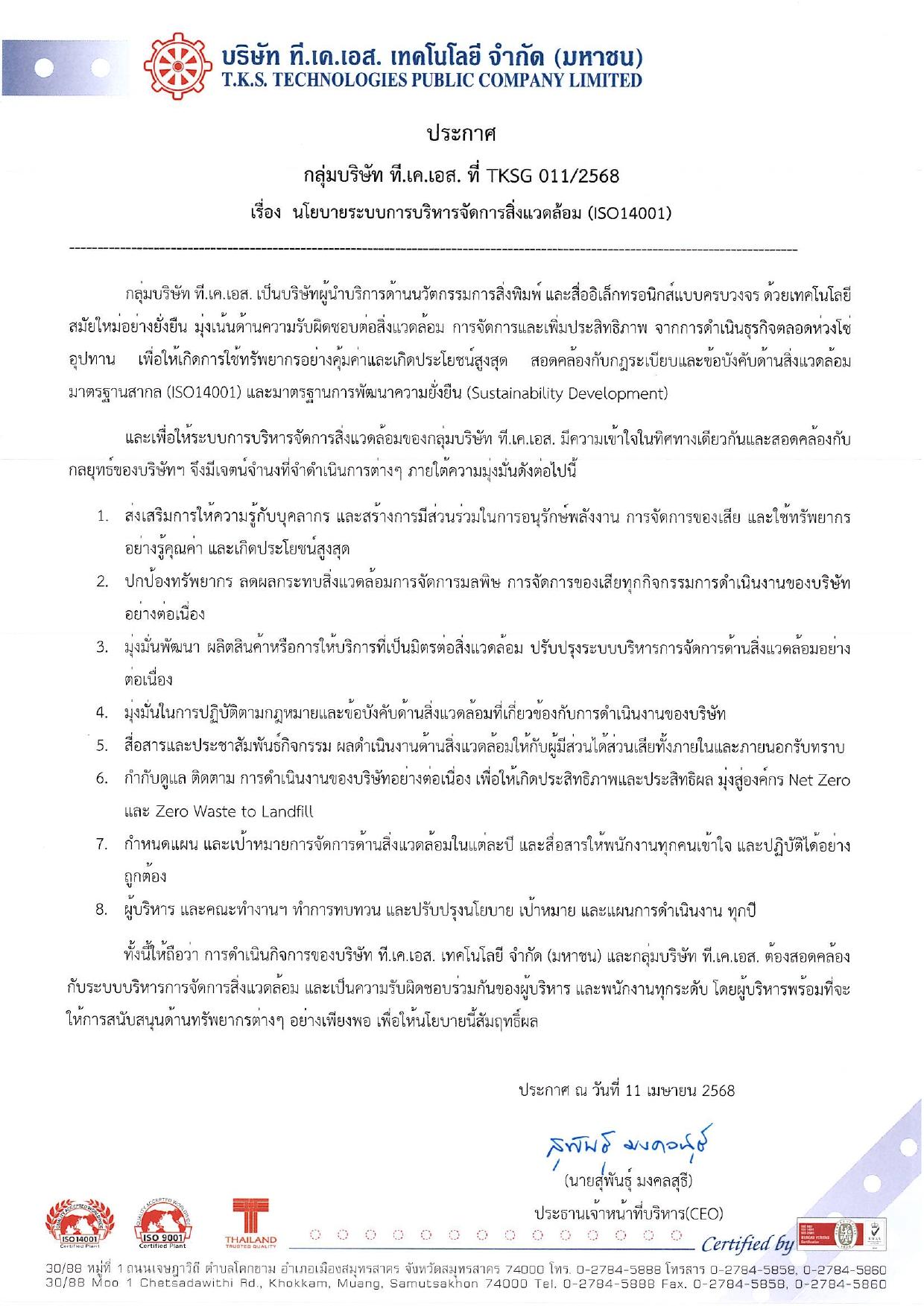
Policy Document Link
https://www.tks.co.th/wp-content/uploads/2025/05/TKSG-011-2568-%E0%B8%9B%E0%B8%A3%E0%B8%B0%E0%B8%81%E0%B8%B2%E0%B8%A8%E0%B8%99%E0%B9%82%E0%B8%A2%E0%B8%9A%E0%B8%B2%E0%B8%A2%E0%B8%A3%E0%B8%B0%E0%B8%9A%E0%B8%9A%E0%B8%81%E0%B8%B2%E0%B8%A3%E0%B8%9A%E0%B8%A3%E0%B8%B4%E0%B8%AB%E0%B8%B2%E0%B8%A3%E0%B8%88%E0%B8%B1%E0%B8%94%E0%B8%81%E0%B8%B2%E0%B8%A3%E0%B8%AA%E0%B8%B4%E0%B9%88%E0%B8%87%E0%B9%81%E0%B8%A7%E0%B8%94%E0%B8%A5%E0%B9%89%E0%B8%AD%E0%B8%A1ISO14001.pdf
Environmental Guidelines
| Guideline |
|---|
| Electricity Management |
| Renewable/Clean Energy Management |
| Water Management |
| Waste Management |
| Biodiversity Management |
| Greenhouse Gas and Climate Change Management |
| Air Quality Management |
| Noise Pollution Management |
Environmental Policy Review
Policy Reviewed This Year
Yes
Review Details
Management and the working committee shall review and improve the policy, goals, and operational plans every year.
In this regard, the business operations of T.K.S. Technologies Public Company Limited and T.K.S. Group must comply with the environmental management system. This is the shared responsibility of management and employees at all levels. The management is ready to provide adequate support in terms of various resources to ensure the success of this policy.
Policies & Guidelines Changed
| Change |
|---|
| Electricity Management |
| Renewable/Clean Energy Management |
| Water Management |
| Waste Management |
| Biodiversity Management |
| Greenhouse Gas and Climate Change Management |
| Air Quality Management |
| Noise Pollution Management |
Energy — Plan & Guidelines
Has an Energy Management Plan
Yes
Plan Description
The Energy Conservation Committee has established various projects to reduce energy consumption. Progress reports are submitted to management monthly, and quarterly reports on performance are presented to the Corporate Governance and Sustainability Committee. In 2025, a total of four reports will be submitted.
Energy — Electricity Consumption
Electricity Consumption
| Metric | Current Year | Previous Year | Two Years Ago |
|---|---|---|---|
| Total electricity consumption within the organization (Kilowatt-Hours) | 5,043,484.55 | 5,368,701.77 | 5,946,865.89 |
| Electricity purchased for consumption from non-renewable energy sources (Kilowatt-Hours) | 3,587,788 | 3,856,528 | 4,804,796 |
| Electricity purchased or generated for consumption from renewable energy sources (Kilowatt-Hours) | 1,455,696.55 | 1,512,173.77 | 1,142,069.89 |
Energy — Fuel Consumption
Fuel Consumption
| Metric | Current Year | Previous Year | Two Years Ago |
|---|---|---|---|
| Crude oil (Barrels) | |||
| Coal (Metric tonnes) | |||
| Jet fuel (Litres) | |||
| Diesel (Litres) | 14,568.24 | 17,084.41 | 18,664.52 |
| Gasoline (Litres) | 40,407.29 | 42,656.16 | 39,808.16 |
| Fuel oil (Litres) | |||
| Natural gas (Standard cubic feet) | |||
| LPG (Kilograms) | |||
| Steam (Metric tonnes) |
Energy — Targets
Introduction
The company has an energy management policy and aims to reduce energy consumption by 2% per ton of paper compared to the previous year through annual energy conservation projects. Progress reports are submitted at monthly Management Review meetings, a practice that began in 2020. By 2025, the company will implement various measures to modify, improve, and reduce unnecessary electrical equipment to decrease energy consumption and promote optimal energy efficiency within the company.
Target | Performance results |
Energy consumption per ton of paper used decreased by 20% from the base year. | 19.65% Excluding the portion where customer's raw materials are used in the production process. 21.81% Including the portion where customer's raw materials are used in the production process. |
Has Set Targets
Yes
Targets
| Target | Base Year | Base Year Value | Target Year | Target Year Value | Target Change (%) | Unit | Unit — Please Specify |
|---|---|---|---|---|---|---|---|
| Increase of electricity consumption from renewable energy sources | 2,023 | 20 | 2,025 | 19.65 | 19.65 | Others | percent |
Energy — Performance & Outcomes
Has Performance Results
Yes
Performance Description
The company has an energy management policy and has set a target to reduce energy consumption by 2% per ton of paper compared to the previous year through an annual energy conservation project. The results are reported in the Management Review meeting to monitor the performance every month, which has been implemented since 2020. In 2024, the company has implemented various measures to adjust and improve machinery for continuous energy conservation, as follows: Replacing the old set of high-efficiency machinery (37 kW air compressor) Installing a water cooling Fan Coil to replace the Air Split Type in the digital production section Installing a By Pass Chilled Piping Relocating the Brand storage room to reduce the usage of the Air Split Type Installing a water cooling Fan Coil to replace the Air Split Type in the Silk Screen room and the Brand Label room, which can reduce energy consumption within the company by 574,842.75 kilowatt-hours/year or 81.90 kilowatt-hours/ton of paper used.
Water — Plan & Guidelines
Has a Water Management Plan
Yes
Plan Description
Water is an important resource. The company is aware of using resources in a worthwhile and most beneficial way. Therefore, it is committed to reducing water usage (Reduce), storing rainwater in underground water tanks for use in public utilities (Reuse), and reusing water that has gone through the treated process (Reuse). As a result of water and wastewater management, the company has set up a system by creating a database and reviewing it by the executives every month. There is also preliminary wastewater treatment and water measurement every month before releasing it in order to comply with the law and set a target to reduce water usage by 2% per ton of paper compared to the previous year.
Target | Performance results |
Reduce water usage by 2% per ton of paper compared to the previous year. | 3.06% |
Water — Withdrawal, Discharge & Consumption
Water Withdrawal, Discharge & Consumption
| Metric | Current Year | Previous Year | Two Years Ago |
|---|---|---|---|
| Total water withdrawal (Cubic meters) | 25,591 | 25,377 | 26,404 |
| Total water withdrawal by third-party water (Cubic meters) | 25,290 | 25,377 | 26,404 |
| Total water withdrawal by surface water (Cubic meters) | |||
| Total water withdrawal by groundwater (Cubic meters) | |||
| Total water withdrawal by seawater (Cubic meters) | |||
| Total water withdrawal by produced water (Cubic meters) | 301 | 0 | 0 |
| Percentage of wastewater treated before discharge (%) | 100 | 100 | 100 |
| Total water discharge (Cubic meters) | 47.09 | 319 | 445 |
| Total water discharge to third-party water (Cubic meters) | 47.09 | 319 | 445 |
| Total water discharge to surface water (Cubic meters) | 0 | 0 | |
| Total water discharge to groundwater (Cubic meters) | 0 | 0 | |
| Total water discharge to seawater (Cubic meters) | 0 | 0 | |
| Total water consumption (Cubic meters) | 24,989 | 25,058 | 25,959 |
| Recycled water (Cubic meters) | 85 | 152.88 | 1,007.54 |
Water — Targets
Has Set Targets
Yes
Targets
| Target | Base Year | Base Year Value | Target Year | Target Year Value | Target Change (%) | Unit |
|---|---|---|---|---|---|---|
| Reduction of water withdrawal | 2,023 | 3.8 | 2,025 | 3.91 | 3.06 | Cubic meters |
Water — Performance & Outcomes
Has Performance Results
Yes
Performance Description
Strategies and Operational Guidelines
In 2025, the company will continue to maintain the sprinkler irrigation system by using treated wastewater from the production process for watering plants, and by utilizing rainwater from underground tanks for cleaning the condensing units (CDUs) of air conditioners and for use with bathroom fixtures (toilets and urinals only), ensuring their continued functionality. This will reduce the use of external tap water by 684.23 cubic meters per year, or 23,354.66 baht per year.
In 2025, the ratio of water usage to paper consumption will increase due to the cutting and connecting of the chilled water pipes for the installation of a chilled water fan coil air conditioning system and the adjustment of the sprinkler head height.
The company has implemented a system for data collection and monitoring, with monthly reviews by management to ensure proper water and wastewater management. Wastewater undergoes preliminary treatment and quality assessment every month before being discharged to comply with legal requirements.
Parameter | Standard Range | 2021 | 2022 | 2023 | 2024 | 2025 |
pH (Acidity/Alkalinity) | 5.5 - 9.0 | 7.7 | 7.68 | 7.94 | 7.5 | 8.39 |
TDS (Total Dissolved Solids) mg/l | 3,000 | 1350 | 796.5 | 759.27 | 845 | 820.75 |
BOD (Biochemical Oxygen Demand) mg/l | 500 | 165 | 175.33 | 66 | 111 | 22.61 |
From the results of wastewater treatment system control, monthly measurements meet the criteria set by the Industrial Estate Authority.
In 2025, the company will also promote the beneficial use of wastewater from the air conditioning system by using it to water plants in front of the office building, as well as for the maintenance of the sprinkler system. Treated wastewater from the production process will be used to water the plants, which can reduce the use of tap water and reduce the discharge of wastewater into the external environment.
Waste — Plan & Guidelines
Has a Waste Management Plan
Yes
Plan Description
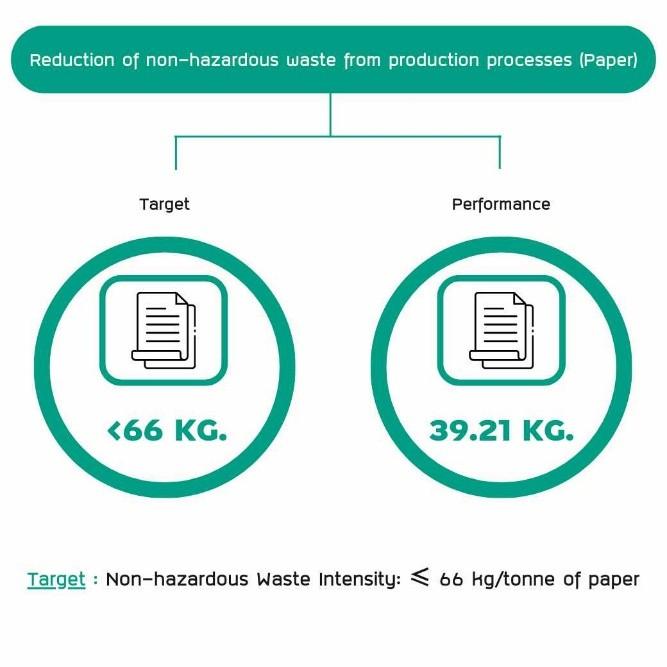
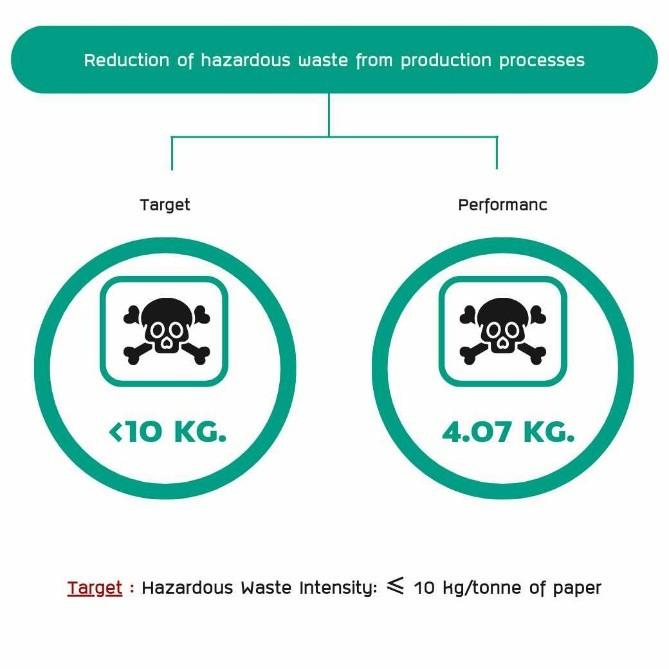
The company has implemented waste, garbage, and pollution management measures within the organization. Raw materials are managed from the production planning stage, utilizing materials efficiently and minimizing waste during the production process. The company aims to reduce the use of key raw materials, particularly paper, and hazardous waste from the production process, resulting in continuous waste reduction. By 2025, the company targeted reducing non-hazardous waste (paper) to no more than 66 kg/ton of paper used, exceeding this target by 125.87%. Furthermore, the company aimed to reduce hazardous waste to no more than 10 kg/ton of paper used, exceeding this target by 140.7%. This achievement is attributed to clearly defined targets, established as organizational KPIs, and regularly reported to management monthly.
Waste — Generation, Disposal & Recycling
Waste Generation, Disposal & Recycling
| Metric | Current Year | Previous Year | Two Years Ago |
|---|---|---|---|
| Total waste generated (Kilograms) | 699,124.3 | 1,547,700 | 1,535,530 |
| Non-hazardous waste (Kilograms) | 674,725.6 | 563,020 | 789,700 |
| Non-hazardous waste - Landfilling (Kilograms) | 0 | 0 | 0 |
| Non-hazardous waste - Incineration (with energy recovery) (Kilograms) | 33,578 | 0 | 0 |
| Non-hazardous waste - Incineration (without energy recovery) (Kilograms) | 0 | 28,810 | 11,010 |
| Non-hazardous waste - Other disposal operations (Kilograms) | 641,147.6 | 534,210 | 778,690 |
| Hazardous waste (Kilograms) | 24,398.7 | 984,680 | 745,830 |
| Hazardous waste - Landfilling (Kilograms) | 6,658.7 | 12,710 | 0 |
| Hazardous waste - Incineration (with energy recovery) (Kilograms) | 15,531 | 0 | 0 |
| Hazardous waste - Incineration (without energy recovery) (Kilograms) | 0 | 969,160 | 745,710 |
| Hazardous waste - Other disposal operations (Kilograms) | 2,209 | 2,810 | 120 |
| Total reused/recycled waste (Kilograms) | 643,356.6 | 537,020 | 778,810 |
| Reused/Recycled non-hazardous waste (Kilograms) | 641,147.6 | 534,210 | 777,440 |
| Reused non-hazardous waste (Kilograms) | 0 | 0 | 48,470 |
| Recycled non-hazardous waste (Kilograms) | 641,147.6 | 534,210 | 728,970 |
| Reused/Recycled hazardous waste (Kilograms) | 2,209 | 2,810 | 1,370 |
| Reused hazardous waste (Kilograms) | 2,209 | 2,810 | 1,370 |
| Recycled hazardous waste (Kilograms) | 0 | 0 | 0 |
Waste — Targets
Has Set Targets
Yes
Targets
| Waste Type | Disposal Approach | Target | Base Year | Base Year Value | Target Year | Target Year Value | Unit |
|---|---|---|---|---|---|---|---|
| Non-hazardous waste | 2758 · Description: Reuse · 2759 · Description: Recycle · 2760 · Description: Landfilling · 2762 · Description: Incineration without energy recovery | Reduce waste volume | 2,023 | 789,700 | 2,025 | 563,020 | Kilograms |
Waste — Performance & Outcomes
Has Performance Results
Yes
Performance Description
The company has also focused on a Zero Waste To Landfill policy, striving to minimize landfill use and explore alternative methods to achieve zero landfilling. Currently, only 1.03% of total waste (process waste) is disposed of in landfills. In the past year, the company has also continuously implemented activities to raise environmental awareness, such as the SCG Recycle activity in collaboration with SCGP, where waste paper from the production process is recycled into tables, chairs, and various school supplies. In 2025, a total of 6.995 tons of paper were recycled, reducing the need to cut down 119 trees.
GHG — Plan & Guidelines
Introduction
"In the past year, climate volatility has no longer been just an environmental issue, but a major challenge to our business operations. We recognize that sustainable growth must come with responsibility towards the planet, so we are committed to transforming the organization into a low-carbon business by assessing risks and seeking new opportunities from the green economy to create long-term value for all stakeholders."
The company recognizes the importance of climate change due to greenhouse gas emissions. Electricity is a primary resource used in the production process, so we are committed to reducing greenhouse gas emissions from the production process. Therefore, the company prioritizes energy management and greenhouse gas emission reduction by implementing renewable energy, specifically solar cells, since 2018 on a production building area of 6,032 square meters, with a maximum production capacity of approximately 993.75 kilowatts. In 2018, the company installed an additional rooftop solar system on a warehouse building area of 2,426.30 square meters, with a maximum production capacity of approximately 506 kilowatts. The total installed area is now 8,458.30 square meters, with a production capacity of 1,499.75 kilowatts, and the company aims to reduce energy consumption per ton of paper used. The company has consistently exceeded its set targets.
Preparing to comply with IFRS S2 (Climate-related Disclosures) is a crucial step in elevating the organization's sustainability reporting to international standards and increasing transparency for investors. Therefore, data studies and gap analysis have been conducted to ensure correct implementation.
Has a GHG Management Plan
Yes
Plan Description
The company recognizes the importance and urgency of addressing climate change and has set short-term and long-term targets and plans to reduce greenhouse gas emissions, aiming for net-zero emissions by 2050. This commitment reflects adaptation and readiness to cope with climate change, as well as business operations focused on creating shared value for stakeholders and supporting sustainable long-term growth.
GHG — Emissions
GHG Emissions
| Metric | Current Year | Previous Year | Two Years Ago |
|---|---|---|---|
| Total GHG emissions (Metric tonnes of carbon dioxide equivalent) | 15,158 | 15,570 | 14,364 |
| Total greenhouse gas emissions 1 (Metric tonnes of carbon dioxide equivalent) | 175 | 518 | 194 |
| Total greenhouse gas emissions 2 (Metric tonnes of carbon dioxide equivalent) | 1,774 | 1,905 | 2,367 |
| Total greenhouse gas emissions 3 (Metric tonnes of carbon dioxide equivalent) | 13,209 | 13,147 | 11,803 |
GHG — Emissions Verification
Emissions Verified by a Third Party
Yes
Verifying Body
3180
Verification Document Link
https://eonemedia.setlink.set.or.th/report/0749/2025/1774062447020.pdf
GHG — Principles & Standards
Principles & Standards Applied
| Standard |
|---|
| 2671 |
| 2677 |
GHG — Targets
Has Set GHG Targets
Yes
GHG Targets — Net Zero
Net Zero Targets
| Emission Scope | Base Year | Base Year Emissions | Near-term Target Year | Near-term Target Change (%) | Long-term Target Year | Long-term Target Change (%) | Target Year | Target Change (%) | Unit |
|---|---|---|---|---|---|---|---|---|---|
| 2715 | 2,023 | 2,561 | 2,026 | 6 | 2,028 | 10 | 2,026 | 6 | Metric tonnes of carbon dioxide equivalent |
GHG Targets — Carbon Neutrality
Carbon Neutrality Targets
| Emission Scope | Carbon Neutrality Certified | Base Year | Base Year Emissions | Target Year | Target Year Emissions | Unit |
|---|---|---|---|---|---|---|
| 2718 | N | 2,023 | 2,367 | 2,024 | 1,905 | Metric tonnes of carbon dioxide equivalent |
GHG Targets — Other Targets
Other GHG Targets
| Emission Scope | Base Year | Base Year Emissions | Near-term Target Year | Near-term Target Value | Near-term Target Change (%) | Long-term Target Year | Long-term Target Change (%) | Target Year | Target Year Emissions | Target Change (%) | Unit |
|---|---|---|---|---|---|---|---|---|---|---|---|
| 2717 | 2,023 | 194 | 2,026 | 518 | 6 | 2,028 | 10 | 2,026 | 518 | 6 | Metric tonnes of carbon dioxide equivalent |
GHG — Performance & Outcomes
Has Performance Results
Yes
Performance Description
Target | Performance results |
| Greenhouse gas emissions per ton of product decreased by 0.43%. |
Enhancing the Use of Clean Energy Goal: To utilize renewable energy sources that account for 28.95% or 722.70 TonCO2eq/year from the base year 2023. Achievement: The company has completed Phase 2 of the Solar Rooftop installation project on the warehouse building, with a capacity of 506 kWp. The result is a reduction in greenhouse gas emissions equivalent to 261.49 TonCO2eq/year, or 0.04 TonCO2eq/ton of paper used. In the base year 2023, the company's renewable energy usage accounted for 19.44% of total electricity consumption. The company has set a target to increase this to at least 20% by 2025, achieving a total renewable energy usage of 28.95% of total electricity consumption. This exceeds the set target, representing a 9.51% increase from the base year.
Environmental Legal Incidents
Legal Violation Incidents
| Metric | Current Year | Previous Year | Two Years Ago |
|---|---|---|---|
| Number of cases or incidents of legal violations or negative environmental impact (cases) | 0 | 0 | 0 |
Employees — Plan & Guidelines
Has an Employee Management Plan
Yes
Plan Description
Regulations are established in accordance with the legal requirements of Thailand. Training needs are assessed and developed annually. Activities are organized to promote the organization's culture. There is no use of foreign or child labor. Knowledge sharing and safety activities are continuously promoted.
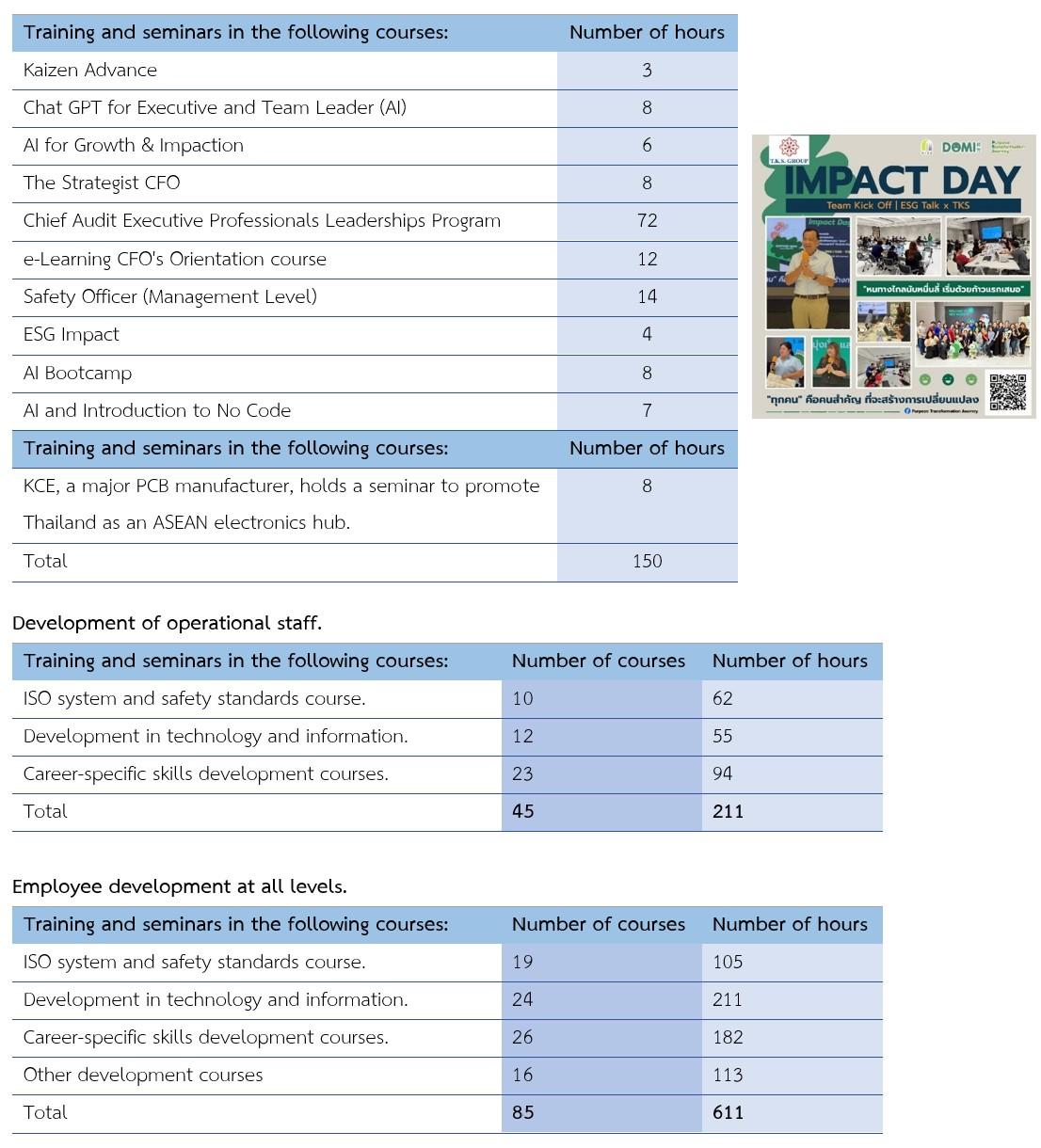
Plan Areas
| Plan Area |
|---|
| Fair employee compensation |
| Employee training and development |
| Promoting employee relations and participation |
| Migrant/foreign labor |
| Child labor |
| Occupational health and safety in workplace |
Employees — Workforce
Workforce Data
| Metric | Current Year | Previous Year | Two Years Ago |
|---|---|---|---|
| Total number of employees (Persons) | 538 | 558 | 586 |
| Number of male employees (Persons) | 226 | 236 | 232 |
| Number of female employees (Persons) | 312 | 322 | 354 |
| Total employment of disabled persons (people) | 6 | 6 | 6 |
| Total disabled employees (people) | 6 | 6 | 6 |
| Total male disabled employees (people) | 3 | 3 | 3 |
| Total female disabled employees (people) | 3 | 3 | 3 |
| Total disabled workers who are non-employee (people) | 0 | 0 | 0 |
| Contributions to the fund for promoting and improving the quality of life for disabled persons | 1 | 1 | 1 |
| Total number of male employees in operational level (Persons) | 170 | 176 | 171 |
| Total number of male employees in management level (Persons) | 49 | 50 | 50 |
| Total number of male employees in executive level (Persons) | 7 | 10 | 11 |
| Total number of female employees in operational level (Persons) | 260 | 268 | 296 |
| Total number of female employees in management level (Persons) | 50 | 53 | 56 |
| Total number of female employees in executive level (Persons) | 2 | 1 | 2 |
Employees — Remuneration & Provident Fund
Remuneration & Provident Fund
| Metric | Current Year | Previous Year | Two Years Ago |
|---|---|---|---|
| Total disabled employees (people) | 165,042,240 | 161,554,601.76 | 234,824,989.75 |
| Total male employee remuneration (Baht) | 73,295,160 | 71,762,943 | 95,975,372.7 |
| Total female employee remuneration (Baht) | 91,747,080 | 89,791,658.76 | 138,849,617.05 |
| Number of employees eligible to participate in PVD (persons) | 220 | 217 | 247 |
| Total number of employees joining employee provident fund (Persons) | 220 | 217 | 247 |
| Percentage of total number of employees joining employee provident fund to total number of employees (%) | 40.89 | 38.89 | 42.15 |
| Number of PVD members / Total eligible employees (%) | 100 | 100 | 100 |
| Total amount of provident fund contributed by the Company (Baht) | 4,124,976 | 4,159,797 | |
| Total amount of provident fund contributed by employee (baht) |
Employees — Training & Development
Training Data
| Metric | Current Year | Previous Year | Two Years Ago |
|---|---|---|---|
| Average employee training hours (Hours / Person / Year) | 1.13 | 0.93 | 1.33 |
| Employee development and training expenses (baht) | 665,240.76 | 397,415.7 | 872,384.9 |
Employees — Occupational Health & Safety
Occupational Health & Safety Data
| Metric | Current Year | Previous Year | Two Years Ago |
|---|---|---|---|
| Total number of lost time injury incidents by employees (Cases) | 0 | 0 | 0 |
Employees — Labour Relations
Labour Relations Data
| Metric | Current Year | Previous Year | Two Years Ago |
|---|---|---|---|
| Total voluntary resignations (Persons) | 68 | 75 | 154 |
| Male employees who voluntary resigned (Persons) | 40 | 34 | 94 |
| Female employees who voluntary resigned (Persons) | 28 | 41 | 60 |
| Percentage of employee turnover leaving the Company voluntarily (%) | 12.64 | 13.44 | 26.28 |
| Evaluation result of employee engagement | 1 | 1 | 1 |
Employees — Employee Representation
Employees Are Represented Collectively
Yes
Forms of Representation
| Form |
|---|
| Welfare committee |
| Labor relations committee |
| Employee committee |
Employees — Targets
Has Set Employee Targets
Yes
Targets
| Indicator | Target Areas | Base Year | Base Year — Description | Target Year | Target Year — Description |
|---|---|---|---|---|---|
| Accuracy in compensation payment | 2983 · Description: Fair employee compensation | 2,025 | 100% accuracy | 2,025 | 100% accuracy |
| The training was conducted in accordance with the established plan and regulations. | 2984 · Description: Employee training and development | 2,025 | 100% | 2,025 | 100% |
| Zero accidents | 2988 · Description: Safety and occupational health at work | 2,025 | 0 cases | 2,025 | 0 cases |
Employees — Performance & Outcomes
Has Performance Results
Yes
Performance Description
By 2025, the set goals can be achieved through the development of a data storage application that ensures accuracy, correctness, speed, and verification of data, and the presentation of data to senior management on a monthly basis. Safety Day/Safety Week activities are also organized to promote accident prevention, provide knowledge, and facilitate participation.
Customers — Plan & Guidelines
Has a Customer Management Plan
Yes
Plan Description
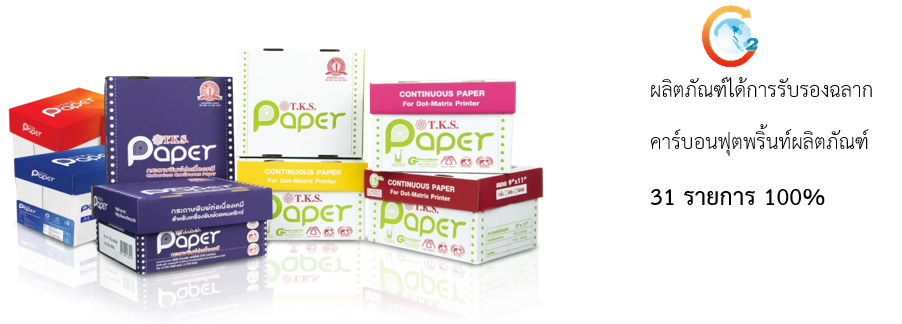
Production and services with responsibility to customers: The trend of customer demand for environmentally friendly products and services is increasing continuously. Product carbon footprint information is therefore an important factor in purchasing decisions. The company therefore promotes its main product groups to obtain carbon footprint labels from the Thailand Greenhouse Gas Management Organization (Public Organization) or TGO, considering data from raw material sourcing, transportation, and product manufacturing. The company will use the assessment results as a database to develop products to further reduce greenhouse gas emissions. In 2023, the company registered the Carbon Footprint of Product (CFP) for 31 paper product items, representing 100 percent of the company's total core products.
The company is committed to continuously developing sustainable and environmentally friendly products and services to meet customer satisfaction with responsibility, honesty, and ethics. A business partner code of conduct and a business ethics code of conduct have been established and are disclosed on the company's website ( https://www.tks.co.th/sustainable/policy-document/ )
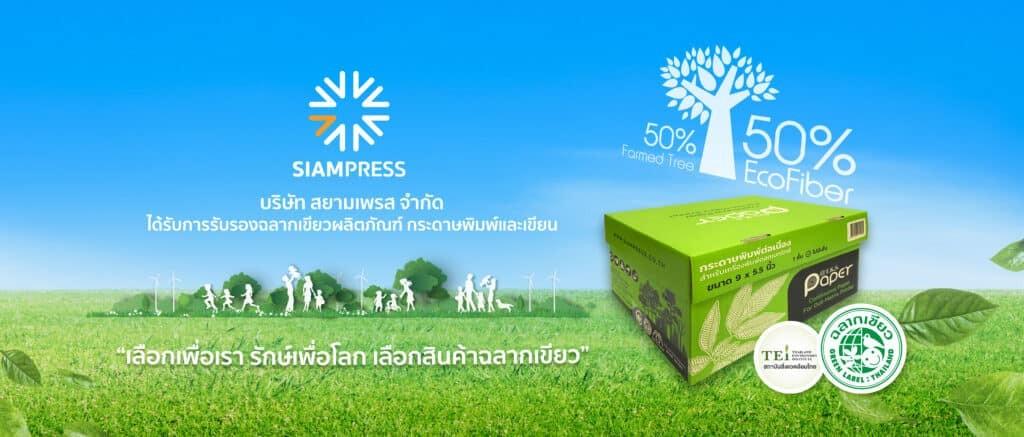
Communicating information about the impact of products and services to customers/consumers and product safety: In order to meet the needs of customers with sustainability and environmental friendliness in mind, the company has established a food safety management policy ( https://www.tks.co.th/sustainable/iso-document/ ) Committed to developing and designing products, processes, and solutions in all processes, focusing on quality, safety, reusability, and recycling according to the circular economy principle.
To enhance customer satisfaction and strengthen customer relationships, the company is committed to continuously developing sales and service channels. Therefore, four complaint channels have been established: telephone, e-mail, postal mail, and sales representatives. In addition, the company conducts annual customer satisfaction surveys.

Regarding the protection of customer personal data, the company has implemented customer confidentiality practices in accordance with PDPA guidelines.
Plan Areas
| Plan Area |
|---|
| Responsible production and services for customers |
| Communication of product and service impacts to customers/consumers |
| Development of customer satisfaction and customer relationship |
| Protection of customer personal information |
Customers — Satisfaction Results
Customer Satisfaction Results
| Metric | Current Year | Previous Year | Two Years Ago |
|---|---|---|---|
| Evaluation results of customer satisfaction | 1 | 1 | 1 |
Customers — Targets
Has Set Customer Targets
Yes
Targets
| Indicator | Target Areas | Base Year | Base Year — Description | Target Year | Target Year — Description |
|---|---|---|---|---|---|
| Customer satisfaction | 3009 · Description: Development of customer satisfaction and customer relationship | 2,024 | Greater than or equal to 85 percent | 2,025 | 90 % |
| Zero data breaches or personal information compromises. | 3010 · Description: Consumer data privacy and protection | 2,024 | 0 case | 2,025 | 0 case |
Customers — Performance & Outcomes
Has Performance Results
Yes
Performance Description
The overall performance in 2025 demonstrates the success in maintaining a high satisfaction level of 90 percent.
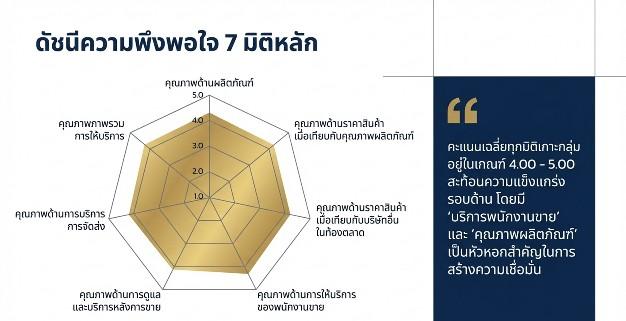
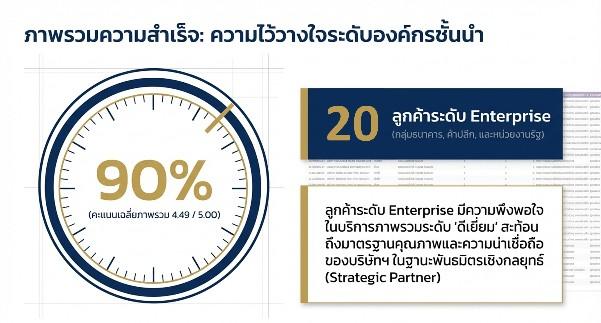
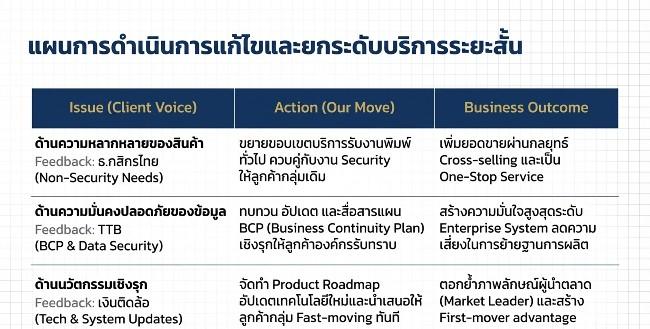
However, to maintain its market leadership position, the company must accelerate the transformation of customer feedback into actionable strategies, particularly by upgrading data security to the highest industry standards. This must be coupled with proactive market innovation and expanding service scope into the non-security sector to create sustainable revenue growth.
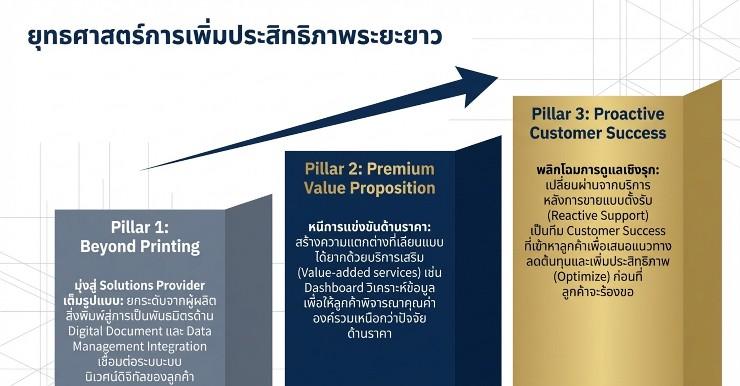
Nevertheless, the company remains aware of and committed to continuously improving its evaluation and has therefore developed a plan for improvement in the following areas:
Community & Social — Overview
Introduction
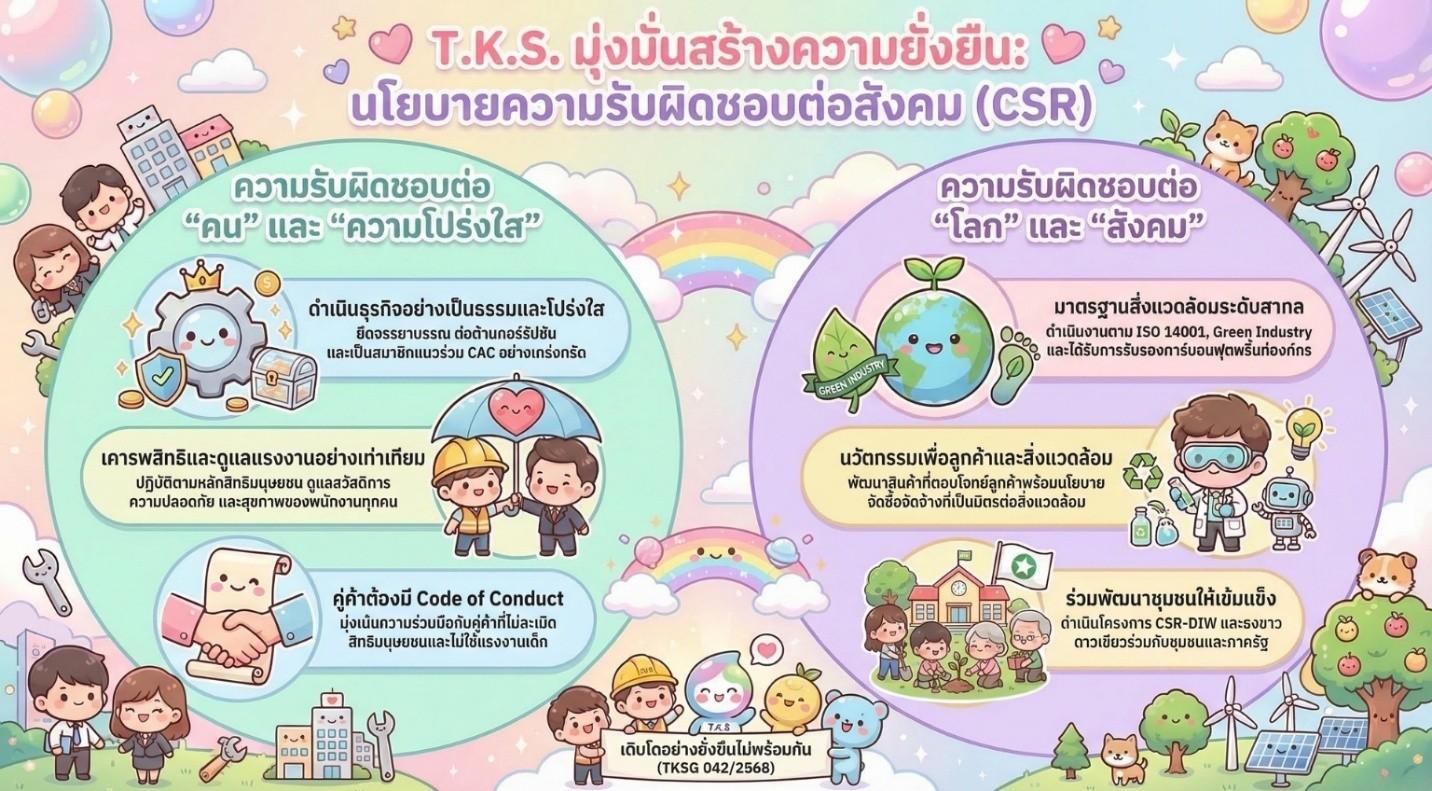
The company recognizes the importance of community and social development and has consistently taken initiatives to contribute positively. The company encourages employees at all levels to develop a sense of social responsibility and actively participate in activities that support local communities. Efforts include engagement with surrounding communities, respect for stakeholders' rights, and ensuring no violation of others' rights. The company collaborates with various organizations to enhance community welfare and improve the quality of life, ensuring long-term sustainable development.
Community & Social — Plan & Guidelines
Introduction
"By 2025, the company has successfully built trust with stakeholders, achieving a community satisfaction assessment of 110.88%, exceeding its target, and maintaining a zero complaint rate related to its operations to this day. The company remains committed to growing alongside society and the environment through a dedicated task force that regularly monitors progress and listens to feedback from community representatives to create sustainable shared value."
Since 2013, the company has actively supported local employment, providing job opportunities to community members. In the past year, the company employed 108 local workers, contributing to income distribution within the community. The company also supports local products and services, fostering economic sustainability and strengthening relationships between the factory, employees, and the community.
Details | 2021 | 2022 | 2023 | 2024 | 2025 |
Employees in Samut Sakhon | 148 | 119 | 159 | 115 | 108 |
Total Employees | 705 | 636 | 586 | 561 | 538 |
Percentage (%) | 21 | 20 | 30 | 20 | 20.07 |
Has a Community & Social Plan
Yes
Plan Description
The company has a policy of actively engaging with local communities through monthly CSR activities. Additionally, the company prioritizes community safety and environmental responsibility, particularly in areas where it operates. One of its key initiatives includes promoting traffic safety awareness for students, especially in Khok Kham, an industrial area prone to road accidents. The company also ensures strict compliance with legal safety regulations and participates in various community and environmental development initiatives.
The company prioritizes the well-being of its employees and the community through ongoing welfare policies and activities. These include employee health check-ups and promoting healthy lifestyles through various exercise programs, football and badminton tournaments, and running events organized by external organizations. The company consistently encourages employee participation in these events, as well as competitions among companies located within the printing industrial estate.
Furthermore, the company contributes to improving the quality of life and promoting engagement with employees, the community, society, and stakeholders. By 2025, the company has undertaken the following activities:
Investing in Corporate Social Responsibility (CSR) activities yields a 25.44% increase in social investment returns compared to costs.
activity | agency | value |
National Children's Day Activities 2025, Sinsakhon Industrial Estate and Science Center, Samut Sakhon. | Sinsakhon Industrial Estate and Science Center | 6,375.56 |
IT equipment support | Wat Phai Chorakhe School, Nakhon Pathom Province | 100,000 |
Support bicycles. | Wat Khok Kham School (Norsing Anusorn) and Ban Sandab School | 3,000 |
Supporting the "United Hearts for the Red Cross Day" in Samut Sakhon Province, 2025 (to raise funds to support relief efforts for victims of various disasters). | Samut Sakhon Red Cross | 5,000 |
Maintaining temple equipment. | Wat Sratthammaram, Samut Sakhon Province | 2,000 |
"Peer Support Project" (providing medical equipment) | Volunteer Medical Association (VMMA) | 20,000 |
Providing computer equipment with Braille printers and scholarships for academically gifted students through the "Sharing Kindness with People with Disabilities and the Poor in Society" project. | Association for the Development of People with Disabilities | 30,000 |
Supporting the "Phanthai Norasingh Wittaya Mini-Half Marathon 4th Edition" walking and running event, themed "Turning the Tide of Phanthai's Land." | Phanthai Norasingh Wittaya School, Samut Sakhon Province | 14,100.00 |
Supporting the "Project for Providing Educational Equipment to Students in Remote and Underprivileged Areas" - Water Cooler. | Institute for the Education of Children in Remote Areas | 20,000.00 |
Supported the printing of 500 copies of the Anapanasti Booklet for Wat Tham Phra Asawahemaraam. | Wat Tham Phra Asawa Hemaram | 111,535.00 |
Donated IT equipment to Wat Kalong Phueng Sunthon Uthit School, Samut Sakhon Province. | Wat Kalong School (Phueng Sunthon Uthit) | 33,480.00 |
Supporting the "30th Anniversary Homecoming Project of the Department of Printing and Packaging Technology". | King Mongkut's University of Technology Thonburi - Department of Printing Technology | 2,000.00 |
Supporting "Samutsakhon City Football Club, Thai League 2025/2025 Season, West Zone". | Samut Sakhon City Co., Ltd. | 300,000.00 |
Supporting the charity theatrical performance “PHANTOM OF THE OPERA CHARITY” in collaboration with The Mall Group, to raise funds for cancer treatment. | Chulalongkorn Hospital, Thai Red Cross Society | 5,000.00 |
The amount "Donation to the Royal Thai Army Headquarters" - Bank of Thailand. | Chaipattana Foundation | 500,000.00 |
Offering the royal Kathina robes to Wat Hong Rattanaram, Bangkok. | Donate to the Revenue Department. | 2,000.00 |
Support the "Light of Thai Hearts" national charity run/walk and cycle event to donate to the Somdej Phra Yuparaj Hospital Foundation in support of the mobile stroke treatment project in honor of His Majesty the King. | Siriraj Foundation | 3,600.00 |
Record of donation of assets: IT equipment (YAMAHA PORTABLE sound system) | Wat Laem Suwannaram Municipal School (Wattanaruam Wittaya) | 18,900.00 |
Provide support for IT equipment (computers, laptops). | Wat Laem Suwannaram Municipal School (Wattanaruam Wittaya) | 72,690.00 |
Supporting the "Educational Equipment Procurement Project" (Computer 1) for underprivileged and impoverished individuals. | Rungnapa Foundation School, Nakhon Ratchasima | 25,000.00 |
Supporting the 5th Kok Kham Mini Marathon walking and running event. | Kok Kham Subdistrict Cultural Council | 20,000.00 |
The project to build classrooms for students supports the "funding for the construction of new school buildings to replace old buildings, fiscal year October 2025 - September 2026". | Ban Sandab School | 100,000.00 |
Making merit by donating to the Kathin ceremony with SME Bank for the renovation of the temple. | Wat Ban Yang, Nakhon Pathom Province | 2,000.00 |
Children's Day activities in collaboration with IEAT (Sinsakhon Industrial Estate Office). | Wat Sophonaram School (Plang Ruam Rat Bamrung) and Ban Khok School, Village No. 2. | 10,000.00 |
S-Sketch CSR Project Year 2: "Educational Materials for Children" | Nine schools in the Khok Kham community. | 105,660.00 |
K-Kept > Turning Waste into Capital We sort waste within the company and collect it to deliver to schools, where it is sold to generate income to support educational expenses. | "Ban Sandap School" | 18,047.00 |
Creating income distribution channels: Helping "Ban Sandap School" sell chicken eggs to generate income and support educational expenses. | "Ban Sandap School" | 16,290.00 |
Plan Areas
| Plan Area |
|---|
| Education |
| Religion and culture |
| Sports and recreation |
| Occupational health, safety, health, and quality of life |
Community & Social — Targets
Has Set Community & Social Targets
Yes
Targets
| Indicator | Target Areas | Base Year | Base Year — Description | Target Year | Target Year — Description |
|---|---|---|---|---|---|
| At least one CSR project in the field of education. | 3037 · Description: Education | 2,024 | 1 Project | 2,025 | 1 Project |
Community & Social — Performance & Outcomes
Has Performance Results
Yes
Performance Description
In 2025, the company received the CSR-continuous award for its ongoing CSR project, "S-Sketch," an educational tool for children that integrates business operations. It repurposes leftover materials from the production process into educational products, which are then delivered to nine schools in nearby communities. Some waste is also recycled back into A4 paper for donation to the schools.
Law Violation Incidents
Law Violation Incidents
| Metric | Current Year | Previous Year | Two Years Ago |
|---|---|---|---|
| The total number of cases or incidents of significant violations of laws or regulations regarding social and human rights (Cases) | 0 | 0 | 1 |
| The total number of cases or incidents that cause significant labor disputes (Cases) | 0 | 0 | 0 |
| The total number of cases or complaints related to consumer rights violations (Cases) | 0 | 0 | 0 |
| The total number of cases or complaints related to partner rights violations (Cases) | 0 | 0 | 0 |
| The total number of cases or incidents that cause disputes with the community/society (Cases) | 0 | 0 | 0 |
| The total number of cases or incidents related to cyber security or customer data breaches (Cases) | 0 | 0 | 1 |
| The total number of cases or incidents related to safety and occupational health at work (Cases) | 0 | 0 | 0 |
Law Violations — Case Detail & Corrective Measures
Incidents & Corrective Measures
| Year | Incident Detail | Status | Remediation Measures | Non-financial Impact | Financial Impact Incurred (THB) | Financial Impact Expected (THB) |
|---|---|---|---|---|---|---|
| 2,023 | Company information is displayed on the LogBit 3.0 website. | Incident no longer subject to action | 1. Implement strict internet connection controls, clearly specifying Source IP, Destination IP, and Ports/Services allowed.
2. Block access to internal systems and networks from Public IPs originating from foreign countries to sever connections between potential Malware residing in the system and C2 Servers.
3. Control VPN usage by granting access only to necessary accounts. Disable VPN access from Public IPs originating from foreign countries. Monitor behavior and control Remote Desktop usage, especially from foreign Source IPs.
4. Install Antivirus software on all computers to scan for malicious programs that could be used in attacks. Install EDR (Endpoint Detection and Response) systems on all servers to detect and respond to security risks and breaches on endpoints.
5. Collaborate closely with Antivirus system vendors to update signature databases and perform full system scans on all computers.
6. Monitor and analyze logs, such as Firewall and Network logs, to identify any suspicious attempts by compromised machines to connect to other computers within the network. Investigate these suspicious machines further.
7. Examine Event Logs and Access Logs of the operating system to detect any unusual system access by suspicious accounts.
8. Restrict system access or control access for each user, potentially implementing a Zero Trust security model.
9. Change all administrator passwords and control system access. Prohibit the sharing of administrator usernames and passwords.
10. Raise employee awareness about the importance of data loss prevention and promote behaviors that contribute to data security. | There is no impact due to the inability to access company information. | 0 | 0 |
| 2,022 | The copy machine jammed my finger. | Incident no longer subject to action | - Slowing down the copy machine by adjusting the machine. - Providing safety training to employees. | Employee, right thumb fracture | 0 | 0 |